Pocket Concierge

Dining Etiquette in Japan

Restaurants in Japan follow a series of customs that are unique to Japan.
To ensure that you get the most out of your dining experience in Japan via Pocket Concierge, we’ve created this guide on dining etiquette.
Having an understanding of these etiquette tips will make your restaurant experiences in Japan richer and more  memorable.

Before you arrive

Omakase and market price
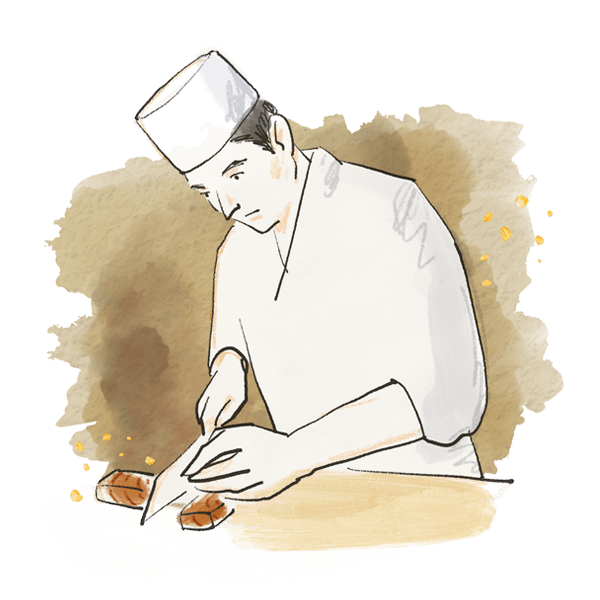
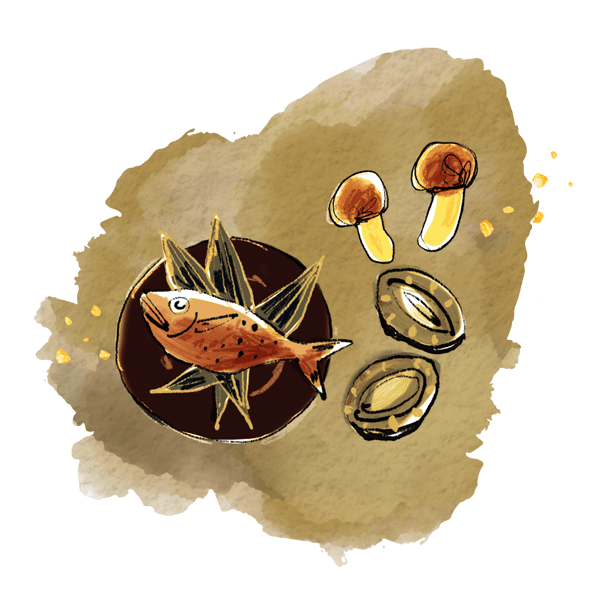
In Japan, multi-course dining often follows the "omakase" style, where the chef crafts the menu and number of dishes based on the day's freshest ingredients. Seasonal delicacies like Matsutake mushrooms or crab may be priced at market value, which vary with the season.

Culture note: How omakase originated

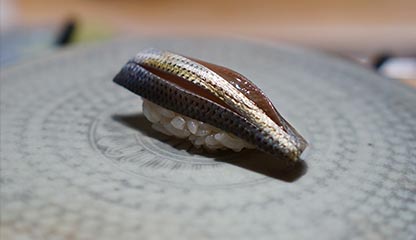
The "omakase" style, known to have originated from Edomae sushi in Tokyo, began as an alternative to the traditional "okonomi" where customers chose their own sushi. It allowed diners to trust the chef to select and serve the best dishes. Today, "omakase" is widely recognized as a way to enjoy the chef's expertise and the finest seasonal ingredients.
Before you arrive

Canceling and changing reservations

The chefs of this caliber sources ingredients and begins preparation days in advance. Last-minute cancellations or changes may lead to food waste and incur a fee. To respect the chef and environment, please avoid altering your reservation close to the dining date.

Pocket Concierge Moment

In principle, on Pocket Concierge, cancellations made 2-3 business days before the reservation date incur a 50% fee, and cancellations made the day before or on the day of the reservation incur a 100% fee. We recommend that you review the ‘Reservation Policy’ of your desired restaurant before submitting your reservation request as cancellation fees may vary.

Learn more about cancellation policy
Before you arrive

Dress code and fragrances

For dining at a restaurant, smart casual attire, such as collared shirts or jackets, is recommended. Avoid T-shirts, tank tops, shorts, and sandals. Additionally, some establishments may refuse entry if you are wearing a strong scent, such as perfumes and body products, as it can overwhelm the delicate notes of food and beverages.

Culture note: Enjoying the seasons through aromas

In Japanese cuisine, seasonal ingredient aromas enhance the dining experience. Spring features Sansho and Kinome, summer brings Myoga, autumn showcases Matsutake, and winter offers Yuzu. These fragrances enhance the enjoyment of your meal.

Before you arrive

Dining with children

Many restaurants, especially fine dining establishments, have age limitations for guests to maintain a specific atmosphere for all diners. Please check the page of your desired restaurant to confirm their policy regarding dining with children before making a reservation.

Before you arrive

Being on time

In many fine dining establishments in Japan, the start time for the tasting menu is fixed, and reservations are scheduled accordingly. Arriving late may result in your reservation being canceled. Since preparations are timed based on the course schedule, it’s best to arrive at least 10 minutes before your reservation.

Before you arrive

Allergies

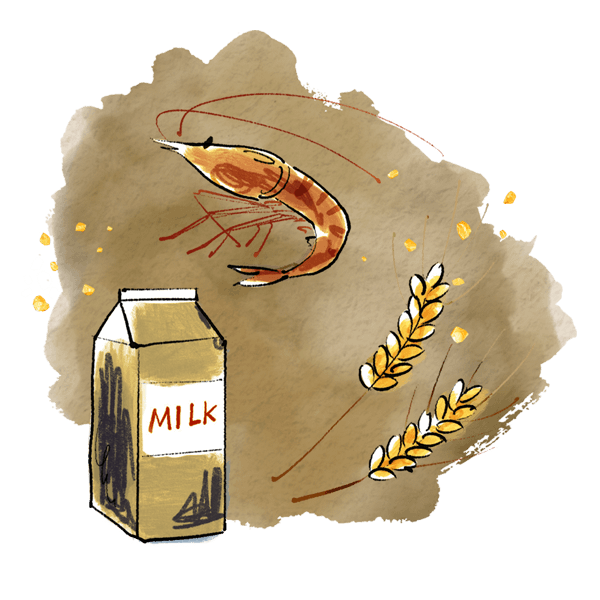
You may encounter unfamiliar ingredients at Japanese restaurants, such as shellfish, raw fish, soba, soy, and mushrooms, which may also be used in broths and sauces. If you or any of your companions have any allergies, please inform the restaurant in advance. The restaurant may substitute ingredients in the course to accommodate allergies, and specifying the severity of your allergies will ensure a safer dining experience.

Upon Arrival

Additional orders

In many Japanese fine dining establishments, menus may not be provided, and prices may not be clearly disclosed, with some dishes priced at market value. You may often be charged for water and tea and we highly recommend that you confirm if there are any additional charges for extra orders.* Please refer to the notes on omakase and market price.

Culture note: What the “~” symbol means on prices

In Japanese menus, "○○円~" indicates a minimum price starting at the listed amount, unlike in English-speaking countries where it suggests an approximate cost. The actual price may be higher.

Upon Arrival

Taking pictures and video

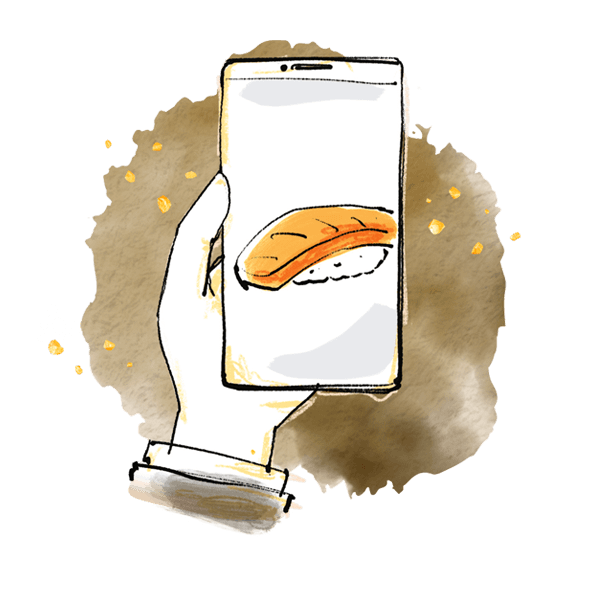
Some restaurants prohibit photography to ensure that dishes are enjoyed immediately as their taste can diminish quickly. If you wish to take photos, seek permission from the staff first. If allowed, avoid using the camera flash and be considerate of other guests by not capturing them in your photos.

Upon Arrival

Dining etiquette

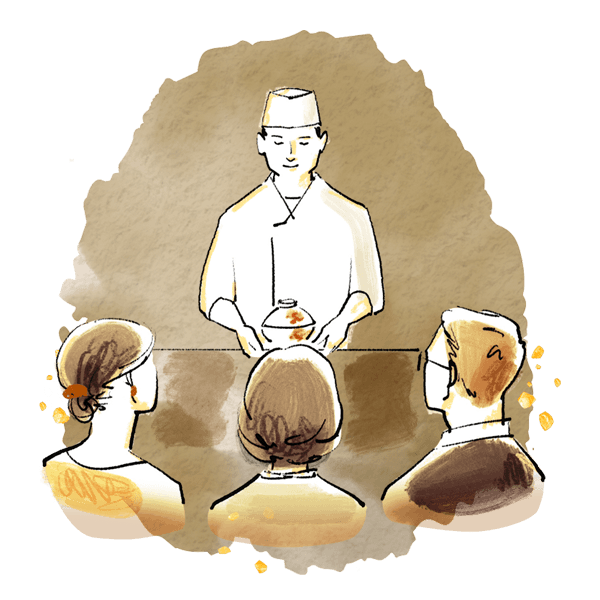
During a course meal, the chef carefully times the presentation of each dish for optimal enjoyment. Therefore, try to avoid leaving your seat for extended periods while dining.

Pocket Concierge Moment

Japanese people are known for their sensitivity to the surrounding atmosphere. Adjust your conversation to match the ambiance, avoiding talking loudly or engaging in any type of activities that may be disruptive to the restaurant staff or other diners. Set your phone to silent mode, and if you need to take a call, move to a location where your voice won't disturb others.

Upon Arrival

Points to keep in mind when using counter seating

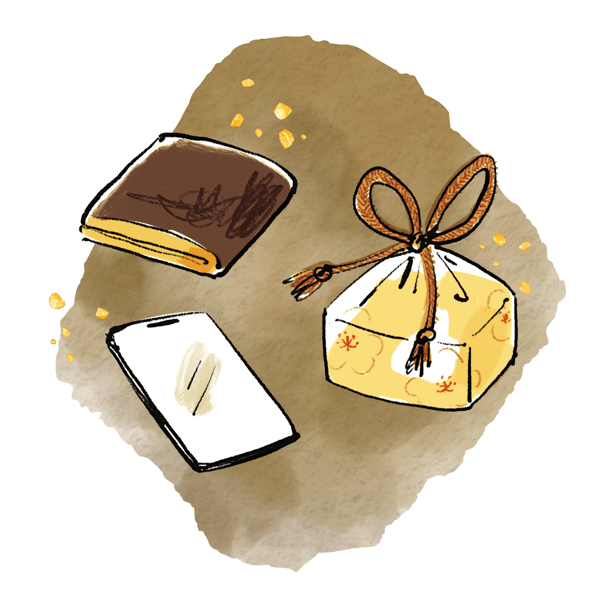
Counter seats in Japanese restaurants, especially sushi bars, often use high-quality materials like hinoki wood. To avoid damaging the counter or delicate ceramics, it's best to remove watches and accessories beforehand. Also, avoid placing cameras, smartphones, wallets, or bags on the counter.

Upon Arrival

Tipping

In Japan, a "service charge" is typically included in the bill, so tipping is not necessary. Instead, ordering additional drinks or food is often a preferred way to show your appreciation to the chef.

Premium Dining Experience with Pocket Concierge

Explore a curated selection of restaurants
with seamless online reservation and payment.

Discover Restaurants